

Como cirujano plástico, estético y reparador, a menudo me encuentro con pacientes que me preguntan: “¿Por qué me duelen las piernas?”. El dolor en las piernas es un síntoma extremadamente común que puede manifestarse de múltiples maneras, desde una ligera molestia después de una larga caminata hasta un dolor intenso de piernas que impide la vida diaria. Mi objetivo con este artículo es ofrecerle una guía completa para que pueda identificar las posibles razones detrás de sus dolores de piernas y sepa cuándo es crucial buscar ayuda profesional. La clave está en no subestimar las señales que nos envía nuestro cuerpo.

Introducción al dolor en las piernas
El dolor de piernas es una de las quejas médicas más frecuentes, afectando a personas de todas las edades y con diferentes estilos de vida. A menudo, el dolor de piernas no es motivo de gran preocupación, pero en otros casos puede ser una señal de una condición médica subyacente que requiere atención.Definición y prevalencia
El dolor en las piernas se define como una sensación de molestia o incomodidad que puede localizarse en los músculos, las articulaciones, los huesos o los vasos sanguíneos de las extremidades inferiores. Puede ser agudo o crónico, leve o severo. Comprender su origen es el primer paso para un tratamiento efectivo. La prevalencia es muy alta, y abarca desde el dolor en una pierna específico hasta el dolor en las dos piernas de manera generalizada.Importancia de entender las causas
Entender por qué duelen las piernas es fundamental para un diagnóstico y tratamiento correctos. El dolor en las piernas causas es un tema complejo, ya que puede estar relacionado con problemas musculares, circulatorios, neurológicos o, en casos específicos, con patologías como el lipedema. Mi objetivo es ofrecerle una guía clara y precisa para que pueda identificar las posibles razones detrás de sus dolores en las piernas.
Causas comunes del dolor en las piernas
El origen del dolor de piernas puede ser muy diverso. La mayoría de las veces, está relacionado con factores del día a día, pero es vital no descartar otras causas.Calambres musculares
Un calambre es una contracción involuntaria y dolorosa de un músculo. Es una de las causas más frecuentes de dolor muscular piernas. A menudo, la gente se pregunta: “porque me duelen las piernas en la cama” o “me duelen las piernas por la noche“. Los calambres nocturnos son muy comunes y pueden estar relacionados con una serie de factores.Deshidratación
No beber suficiente agua puede llevar a calambres musculares, ya que la hidratación es crucial para el buen funcionamiento de los músculos.Desequilibrio de electrolitos
La falta de potasio, magnesio o calcio, minerales esenciales para la función muscular, puede ser la causa de los dolores en piernas.Fatiga muscular
El uso excesivo de los músculos, como después de un ejercicio intenso, puede provocar dolor en los músculos de las piernas y calambres.Lesiones musculares y óseas
El dolor en una pierna o en ambas puede ser el resultado de una lesión traumática o por sobrecarga.Desgarros musculares
Una lesión común, especialmente en atletas, que provoca un dolor fuerte de piernas y una limitación significativa del movimiento.Fracturas por sobrecarga
Frecuentes en corredores o personas que aumentan repentinamente su actividad física. Las microfracturas en los huesos pueden causar dolor en la pierna que empeora con la actividad.Tendinitis y esguinces
La inflamación de los tendones o ligamentos puede causar dolor a lo largo de la pierna que empeora con el movimiento y a menudo se asocia con la hinchazón.Problemas circulatorios
Las venas y arterias juegan un papel crucial en la salud de las piernas. Cuando la circulación sanguínea no funciona correctamente, puede manifestarse como dolor en las piernas.Enfermedad arterial periférica
El estrechamiento de las arterias por la acumulación de placa reduce el flujo sanguíneo, causando dolor de piernas al andar que mejora con el reposo. A menudo, los pacientes refieren “dolor en las piernas por dentro” o una sensación de calambre.Trombosis venosa profunda
Un coágulo de sangre en una vena profunda puede causar un dolor intenso pierna izquierda o derecha, hinchazón y enrojecimiento. Es una urgencia médica que requiere atención inmediata para prevenir complicaciones graves.Venas varicosas
Son venas agrandadas que pueden causar una sensación de pesadez o ardor en las piernas y, en algunos casos, dolor continuo de piernas.Condiciones médicas subyacentes
A veces, el dolor en las piernas es un síntoma de una enfermedad más amplia.Artritis y gota
La inflamación de las articulaciones puede causar dolor en la pierna o en el pie, limitando la movilidad y el bienestar.Neuropatías, incluyendo la diabetes
El daño a los nervios puede provocar sensaciones como hormigueo y entumecimiento, dolor intenso piernas y dolor de piernas y pies. El dolor de muslos en reposo puede ser un síntoma de neuropatía.Infecciones óseas y de la piel
Infecciones como la osteomielitis o la celulitis pueden causar dolor en las extremidades, hinchazón y fiebre.
Causas menos comunes pero graves del dolor en las piernas
Si bien las causas anteriores son las más frecuentes, existen otras que, aunque menos comunes, son importantes de considerar.Tumores óseos
Aunque raros, los tumores en los huesos pueden ser una causa de dolor de piernas.Síndrome de piernas pesadas
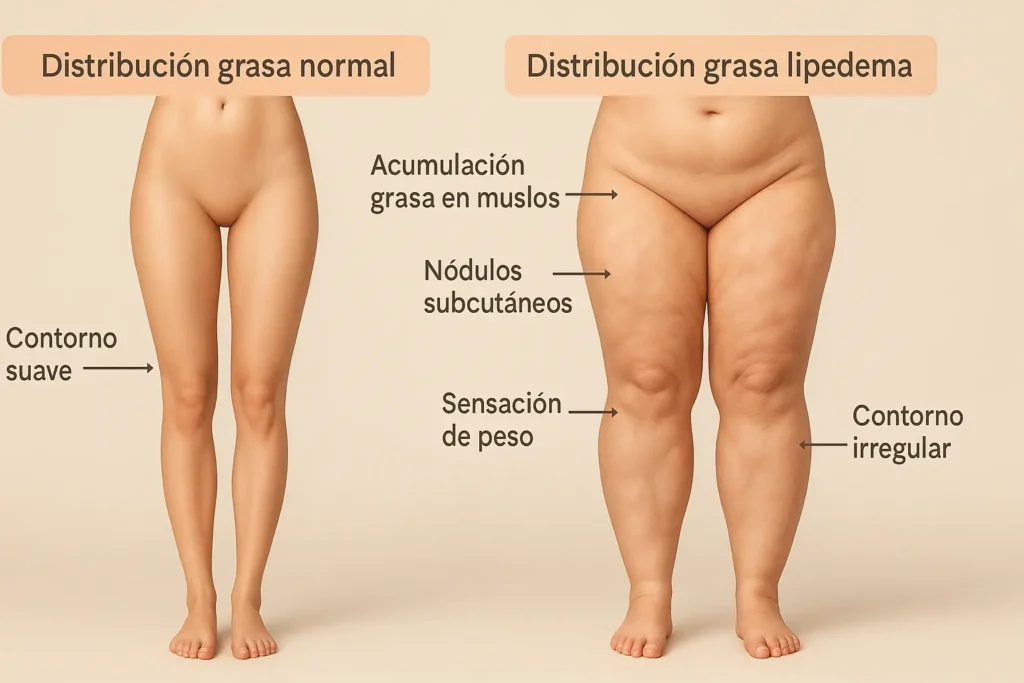
Esta sensación se relaciona con problemas circulatorios y, en el contexto de mi especialidad, es un síntoma muy característico del lipedema, una enfermedad crónica del tejido adiposo que afecta casi exclusivamente a mujeres. Si usted experimenta mucho dolor de piernas junto con una desproporción en el tamaño de las mismas, es fundamental que considere la posibilidad del lipedema. Para más información, puede visitar la sección sobre los síntomas del lipedema en mi web.Enfermedad de Legg-Calve-Perthes
Esta enfermedad infantil afecta la cadera y puede manifestarse como dolor en la pierna o la rodilla.Dolor del nervio ciático
Una compresión del nervio ciático en la espalda baja puede irradiar dolor fuerte en las piernas, hormigueo y debilidad muscular. Los pacientes a menudo relatan que no pueden andar después de estar sentada o que el dolor les impide caminar.Síntomas asociados al dolor de piernas
El dolor de piernas rara vez aparece solo. Prestar atención a los síntomas que lo acompañan es clave para un correcto diagnóstico.Hormigueo y entumecimiento
Pueden ser indicativos de neuropatía o compresión nerviosa. Es una sensación que debe ser evaluada por un profesional.Sensación de pesadez o ardor
Síntomas comunes en problemas circulatorios y en el lipedema. Las pacientes con esta patología a menudo me dicen: “me duelen las piernas y me queman” o “me arden las piernas“.Cambios en el color o temperatura de la piel
Enrojecimiento, palidez o frialdad son señales de problemas circulatorios graves como la TVP o la EAP.Debilidad muscular
Si además de dolor en las piernas usted siente que le fallan las piernas, puede ser un síntoma de un problema nervioso o muscular que requiere atención.
Diagnóstico del dolor de piernas
Un diagnóstico preciso requiere una evaluación profesional.Cuándo buscar atención médica
Si bien muchos dolores de piernas se resuelven con descanso, debe acudir a un especialista si presenta:Dolor intenso y repentino
Especialmente si se acompaña de hinchazón, enrojecimiento o fiebre.Inflamación y enrojecimiento
Estos signos pueden indicar una infección o un coágulo de sangre.Fiebre y malestar general
Son señales de que el dolor puede ser causado por una infección sistémica.Persistencia del dolor a pesar de cuidados en el hogar
Si se pregunta “qué tomar para el dolor de piernas” y los analgésicos de venta libre no funcionan, es una señal de que el problema puede ser más serio.Proceso de evaluación médica
Como especialista, mi proceso de diagnóstico se basa en el rigor científico:Historia clínica detallada
Analizo el tipo de dolor (si es un dolor de muslos en reposo, dolor piernas al subir escaleras, etc.), la duración, los factores que lo empeoran y los antecedentes médicos.Examen físico completo
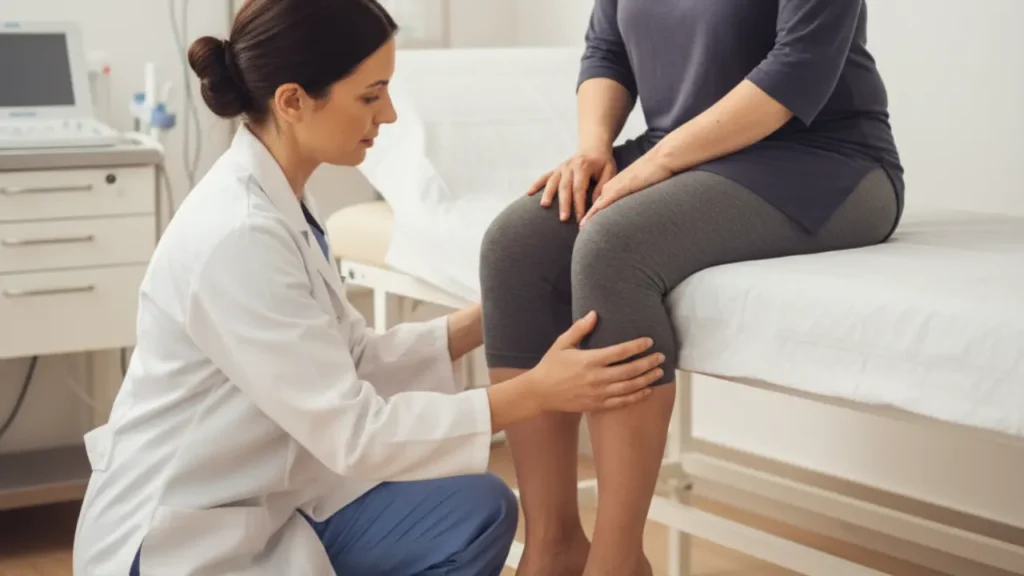
Evalúo la zona afectada, la temperatura, la presencia de hinchazón y la respuesta nerviosa y muscular.Pruebas adicionales
Según los hallazgos, puedo solicitar ecografías Doppler para evaluar la circulación, resonancias magnéticas para la salud muscular y ósea, o análisis de sangre para detectar otros problemas. En el caso del lipedema, el diagnóstico es clínico, pero las pruebas complementarias ayudan a descartar otras patologías. Si sus piernas están doloridas y el dolor se ha convertido en una preocupación constante, no dude en buscar la opinión de un especialista. El lipedema es una de las causas de dolor crónico de piernas más subdiagnosticadas, por lo que es vital contar con un profesional que pueda reconocer sus síntomas. Si desea saber más sobre el diagnóstico del lipedema, puede visitar esta sección de mi sitio web.
