

As a lipedema specialist, one of the questions I hear most often in my practice is: “Why do I have fat legs if I am thin?”. It is a common frustration, especially among women who keep a healthy body weight and an active lifestyle but see the lower part of their body accumulate fat out of proportion. This condition is classically described as resistant to diet and conventional exercise, which often causes confusion and distress.
This article aims to clarify the causes of this phenomenon and, more importantly, to offer accurate information about treatment to reduce leg volume, with a special focus on lipedema, the main cause of what is popularly known as “fat leg disease”.
Common causes of fat legs in thin people
When a person has a marked imbalance between trunk fat and limb fat, it is essential to look at the possible underlying causes.
Genetic factors and the natural distribution of body fat
Our genetics play a crucial role in how the body stores fat. Some people have a natural tendency to accumulate it in the lower body: thighs, hips and thick calves. This is a physical trait, often hereditary, that does not imply a disease. If there are women in your family with wide legs, genetics is probably one of the reasons. However, it is not always the only cause.
A sedentary lifestyle and its impact on leg volume
Lack of physical activity can be a contributing factor in fat accumulation and fluid retention. A sedentary lifestyle not only weakens the leg muscles but also makes good circulation harder, which can contribute to the feeling of heavy legs and to an increase in their volume. However, in lipedema, even a very active person can have thick legs.
Fluid retention (oedema) and its causes
Fluid retention, also known as oedema, is an accumulation of fluid in the tissues that can make the legs swell. Unlike lipedema, oedema is usually symmetrical and the skin feels more elastic. It can be caused by circulatory problems, long periods standing or sitting, and hormonal imbalances. Often, lipedema and oedema coexist, making the problem worse.
Lipedema: the “fat leg disease” in thin women
Lipedema is a chronic disease of the adipose tissue that affects almost exclusively women. It is characterised by an abnormal and painful accumulation of fat, mainly in the hips, thighs, knees and ankles, while the trunk, especially the waist, tends to stay slim. To learn more about its origins, you can read our article on the causes of lipedema.
What is lipedema?
Lipedema is a condition of the fat tissue that leads to an increase in volume in the limbs. Unlike ordinary fat, lipedema fat is classically described as resistant to diet and exercise. This explains why a woman can have a flat abdomen and thick, fatty legs. If you want to know more, I recommend reading What is lipedema?.
Symptoms of lipedema in thick legs
The main symptom of lipedema is body disproportion. Other key signs include:
- Pain on touch: The fat in the large legs is sensitive and can hurt when pressed.
- Easy bruising: The skin bruises easily.
- Wide ankles: The fat accumulation stops abruptly at the ankles, creating the so-called “cuff effect”. You can use our lipedema BMI calculator as a first reference, although BMI alone cannot diagnose lipedema.
- Cool, soft skin: The skin over lipedema fat can feel cooler to the touch than in other areas.
If you recognise yourself in these symptoms, it is essential to seek a professional diagnosis. On our site we have described all the symptoms of lipedema in detail.
Diagnosis of lipedema
The diagnosis of lipedema is clinical and must be made by a specialist doctor. It is not based on blood tests or complex imaging, but on a detailed physical examination and the patient’s medical history. Ruling out other conditions is essential. If you suspect you may have the fat leg disease, do not hesitate to consult an expert for an accurate lipedema diagnosis.
Telling lipedema apart from other medical conditions
Identifying whether the cause of thick legs is lipedema or another condition is crucial to choosing the right treatment.
Lymphoedema and phlebolymphoedema versus lipedema
Although lipedema is often confused with lymphoedema, they are different diseases. Lymphoedema is swelling caused by a problem in the lymphatic system, whereas lipedema is a disease of the fat tissue. However, in advanced stages, lipedema can damage the lymphatic vessels and cause lymphoedema, a mixed condition. Phlebolymphoedema, by contrast, develops in the context of chronic venous insufficiency, which leads to an overproduction of lymph that overloads the lymphatic system and produces oedema.
Hormonal imbalances and their influence on fat distribution
Hormonal changes, such as those that occur during puberty, pregnancy or menopause, can influence how the body stores fat. Patients with lipedema often notice that their thick legs get worse during these stages.
Comparison with obesity and genetic fat accumulation
Unlike obesity, lipedema does not affect the whole body uniformly. A person with lipedema can have a normal BMI and even be slim from the trunk upwards, yet have disproportionately large legs and hips. Lipedema fat is also painful.
Available treatments to reduce leg volume
Once the cause of the fat legs has been diagnosed, we can talk about treatment options. The disproportion of lipedema does not disappear with diet and exercise alone, although associated excess weight can respond, and there are treatments that can help manage the condition and reduce symptoms and volume.
Cosmetic options for slimming the legs
These options can be useful for non-pathological fat accumulation.
- Suitable exercise to tone the legs: Activities such as swimming, yoga or brisk walking are good ways to support circulation and tone the muscles.
- Lymphatic drainage and specialised massage: These massages may help lymph flow and reduce fluid retention, complementing medical treatment.
- Non-invasive treatments to reduce the legs: Cryolipolysis or radiofrequency can be an option for small pockets of localised fat, but they are not treatments for lipedema.
Specialised medical treatments for lipedema
Lipedema requires a specialised medical approach.
- Specialised liposuction: Liposuction for lipedema reduces the volume of lipedematous tissue and often relieves symptoms; the result depends on each case. It is indicated in selected cases. It is a very specific technique that must be performed by surgeons experienced in this condition to avoid damage to the lymphatic system. The choice of technique (WAL, PAL, UAL, TAL, RFAL) depends on each patient’s characteristics. The aim is not only a cosmetic improvement but treating a medical problem.
- Physiotherapy and manual lymphatic drainage: These are pillars of the conservative management of lipedema. They help reduce pain and oedema, and prepare the legs for possible surgical treatment.
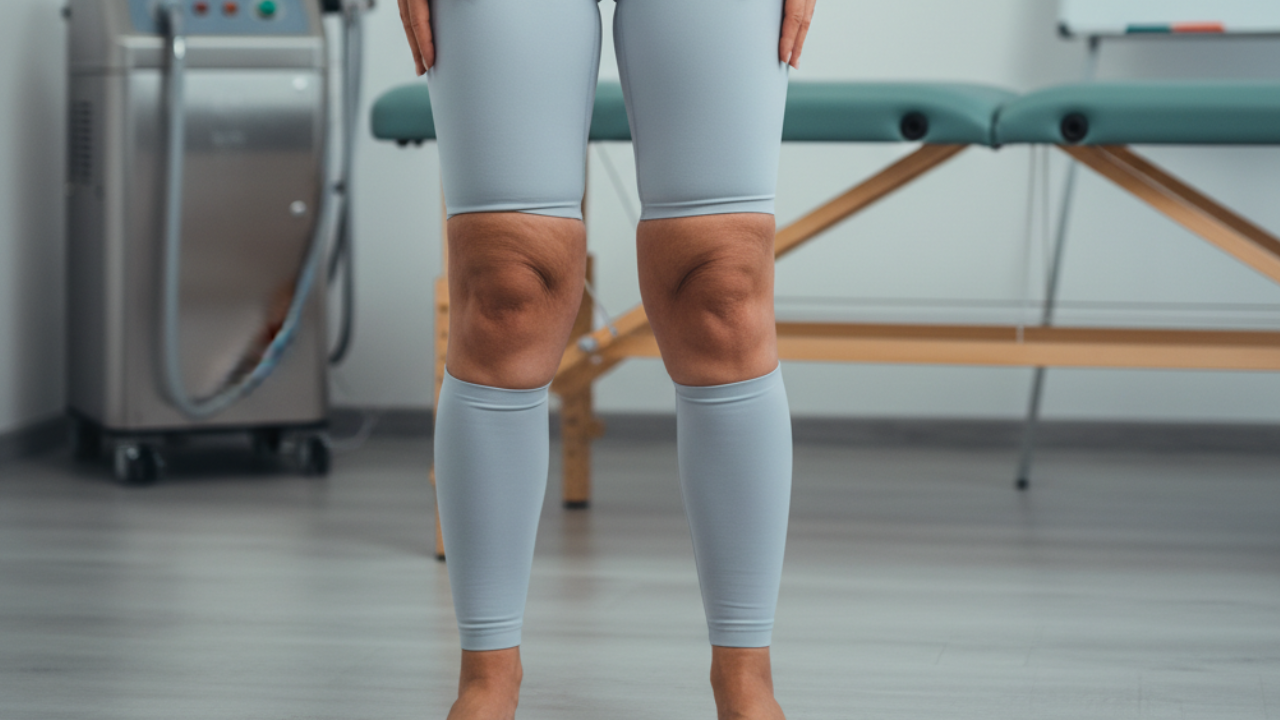
- Compression garments: Compression stockings and garments are a mainstay of conservative treatment of lipedema and help reduce symptoms.
The importance of a comprehensive approach to lipedema treatment
Lipedema treatment is more than surgery. It requires a multidisciplinary approach and a long-term commitment.
Adopting a healthy lifestyle
Although diet and exercise alone do not make the disproportion of lipedema disappear, they can help prevent additional weight gain, which would make the condition worse. If there is associated overweight, losing weight can help reduce leg volume.
- Balanced eating: A balanced diet helps keep body weight under control.
- Low-impact exercise: Regular exercise, especially swimming or cycling, is gentle on the legs and helps keep weight under control.
Psychological support and stress management
Lipedema has a major impact on quality of life and on the mental health of those who live with it. Stigma, the frustration of being unable to slim the legs and chronic pain can lead to self-esteem problems and anxiety. That is why psychological support is a fundamental part of comprehensive treatment.
If you feel identified with the description of this condition, I encourage you to seek professional help. In my clinic, we understand the frustration and the impact that lipedema has on your life. Our aim is to give you an accurate diagnosis and the treatment most suited to your case, with the rigour and professionalism you deserve.
